
 We live for gadgets. But even the smallest ones can consume an enormous amount of power. See some of the worst offenders.
Game Consoles
It's all fun and games -- until you get your energy bill. If you leave your Xbox or PlayStation on when you're not playing, you are wasting as much energy as leaving a desktop computer running.
 Plasma TVs consume about two times more power than LCD versions. To
save even more energy, go for a smaller screen. A 32-inch set uses about
half as much power as a 52-inch LCD.
Plasma TVs consume about two times more power than LCD versions. To
save even more energy, go for a smaller screen. A 32-inch set uses about
half as much power as a 52-inch LCD.Digital picture frames
These little items pack a power punch. Consider this: If every home in the U.S. had one of these displaying around the clock, it would take five power plants to keep them on, according to the Electric Power Research Institute.
 Laptops
If your laptop has a screensaver with images, it consumes more power than an idle laptop.
Battery chargers
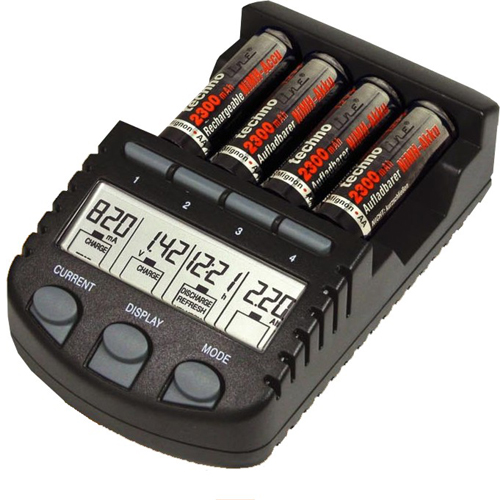
Your mobile devices doesn't take up that much power on their own, but if they are left plugged into electric outlets, even when the charger isn't connected, they continue to draw power. Add up that most households use more than one charger, and across the country, they could consume the energy of several power plants.
 Power-saving solutions
One way to stop power use when you're not using your devices: Turn them all the way off. Another way to save -- try an energy-saving power strip. The power-savers are designed to cut power to devices that don't need it.
You can also change your new device's default settings: You can Manually change the brightness settings on your TVs and computer screens to suck up less energy.
In the new post-apocalyptic show "Electric City," power is the key to living life off the grid. Follow @ElectricCityAMP for more clues.


